


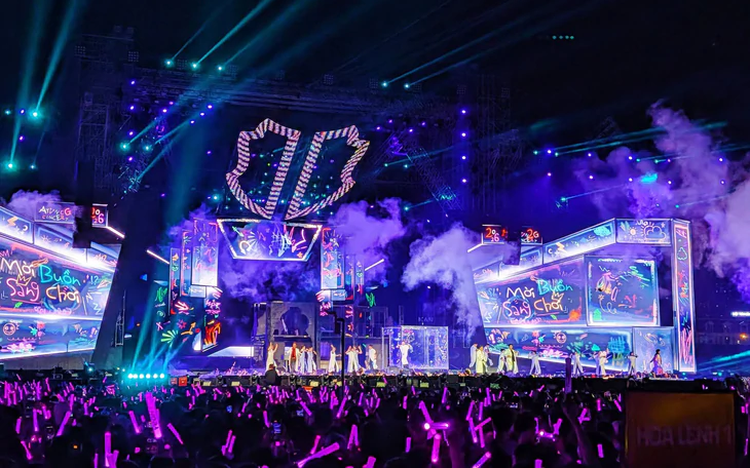
Ho Chi Minh City hopes to keep visitors in the city longer after major music events. Photo: Pham The Hien
At a socioeconomic press briefing on Thursday afternoon, Nguyen Tran Tam Ha, deputy director of the Ho Chi Minh City Tourism Promotion Center, said the city had identified large-scale concerts and festivals as part of its tourism product development strategy, with the goal of increasing visitors' length of stay and spending.
From concert appeal to city exploration
According to Ha, Ho Chi Minh City has favorable conditions for developing event-based tourism, with around 4,800 accommodation establishments, including more than 80 four- and five-star hotels and resorts, approximately 1,900 travel companies and over 1,100 transport service providers.
The city also has several event venues capable of accommodating tens of thousands of people, including Military Zone 7 Stadium, Phu Tho Indoor Stadium, Van Phuc City, The Global City and Saigon River Park.
Its expanded tourism space also creates opportunities to connect the city center with river tours, island and beach destinations, and ecotourism areas.
"A concert may be the reason visitors come to Ho Chi Minh City. However, what matters is creating conditions for them to continue exploring the city's culture, cuisine, shopping and entertainment, and taking part in other economic activities, thereby extending their trips and stays," Ha emphasized.
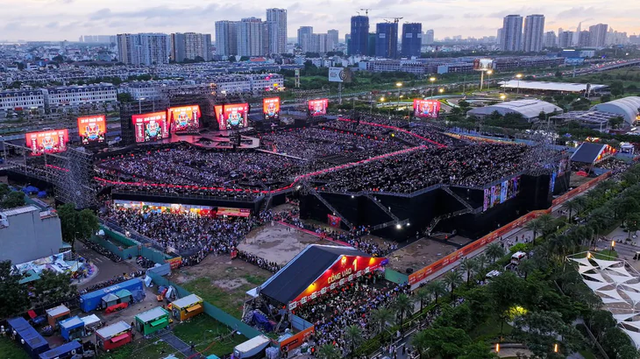
Each major concert can bring tens of thousands of people to Ho Chi Minh City, boosting tourism and services. Photo: Organizing committee
Ho Chi Minh City further cemented its position as a major event destination by winning the Asia's Leading Festival and Event Destination title at the 2026 World Travel Awards for the fifth consecutive year.
To achieve this goal, the municipal Department of Tourism considers concerts not merely performances but also part of the event economy.
Four groups of solutions are being promoted: encouraging organizers to announce performance schedules well in advance; connecting organizers with travel, accommodation and transport businesses to develop service packages as soon as tickets go on sale; strengthening security and preventing ticket fraud; and establishing data-sharing mechanisms among stakeholders.
The city is also conducting an in-depth survey of visitors' length of stay and spending patterns, particularly among concertgoers, to provide a basis for evaluating the effectiveness of events and developing policies.
Earlier in 2026, the Tourism Promotion Center's independent surveys at the Ho Chi Minh City Tourism Festival, which collected responses from 1,168 visitors, and the Ao Dai Festival, which surveyed 1,130 visitors, both recorded satisfaction rates of at least 90 percent.
However, the surveys measured visitors' perceptions rather than actual increases in visitor numbers or spending generated by concerts.
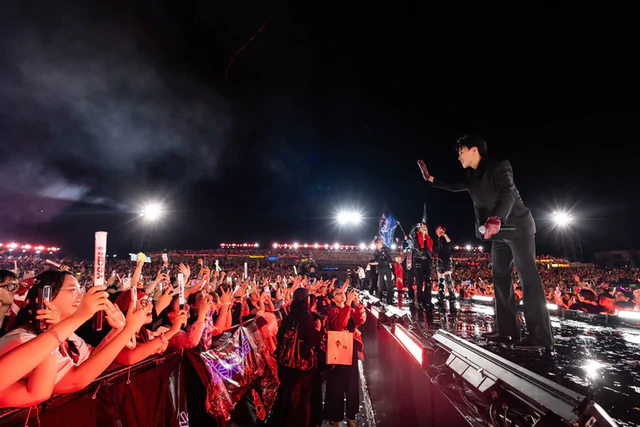
Large-scale concerts are becoming a major draw for visitors to Ho Chi Minh City. Photo: Organizing committee
Real-world figures highlight tourism potential
Data from travel platform Trip.com showed that during major concert events in Ho Chi Minh City in mid-October 2026, including 'Anh trai vuot ngan chong gai' and 'Tinh ha say hi,' flight bookings to the city increased 77 percent and hotel bookings surged 621 percent year on year.
Similarly, when South Korean group BigBang performed in Hanoi in late October 2026, flight bookings rose 74 percent, while hotel bookings around My Dinh Stadium increased 15-fold. Hotels within a 3km radius of the venue were fully booked nearly three months before the concert.
Vietnamese audiences are also willing to spend heavily and plan well in advance for international concerts.
Data from Agoda and Trip.com showed that Vietnamese travelers led the region in growth in accommodation searches in Bangkok, rising 105 percent ahead of the Eurovision Song Contest Asia 2026 final.
Meanwhile, bookings for Kuala Lumpur increased 22-fold around The Weeknd's tour dates.
For BTS concerts scheduled in Bangkok and Singapore in December 2026, nearly half of Vietnamese fans had already secured their flights and hotel rooms by September, with fans booking their flights and hotel rooms 112-124 days in advance.
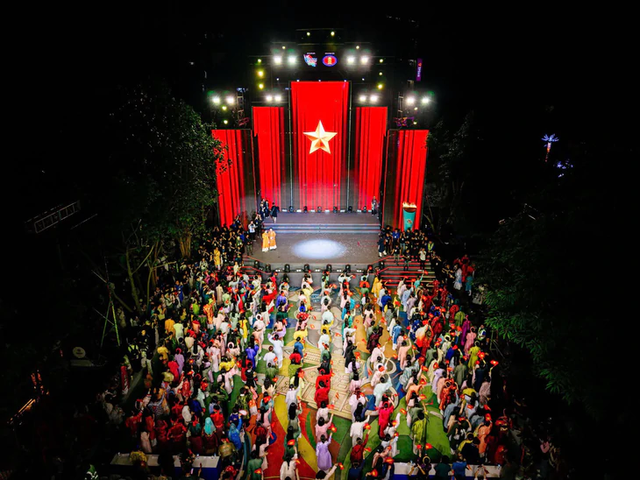
Concerts and festivals are expected to make the city more attractive to tourists. Photo: Ho Chi Minh City Department of Tourism
Connecting services to extend post-concert stays
These figures show that concerts are helping attract visitors and stimulate demand for travel and accommodation.
To make better use of this market, Ho Chi Minh City needs to connect tourism services so concertgoers can combine performances with opportunities to explore the city.
Tourism expert Phan Yen Ly said event-based tourism was a suitable direction for Ho Chi Minh City.
In addition to attracting major events, the city needs to improve transport infrastructure, licensing procedures and performance venues to become more attractive to international event organizers.
Drawing on experience organizing events in Hanoi and Quang Ninh Cities in northern Vietnam, Ly suggested that organizers work with travel companies well in advance and reserve ticket allocations or offer discounts to develop packages combining concert tickets, flights and hotel stays.
This would make trip planning more convenient for audiences while giving tourism businesses greater opportunities to attract visitors from other localities and overseas.
Sharing this view, Vu Nguyen Minh Tri, general secretary of the Vietnamese Enterprise Club and business director of ADAVIGO Travel & Events, said concerts were primarily cultural activities but could generate additional tourism value when linked with appropriate services.
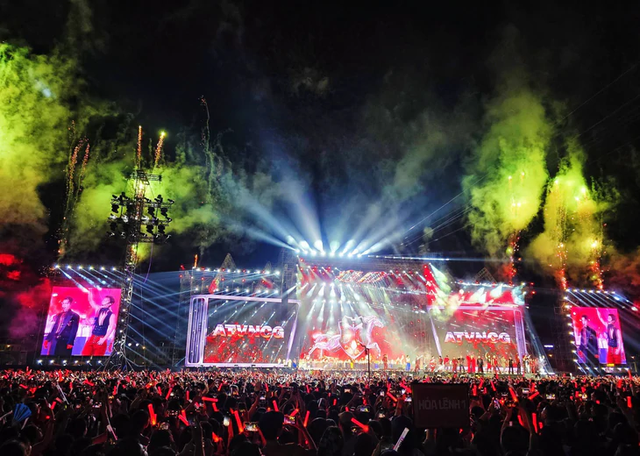
A concert can mark the beginning of visitors' journeys to explore Ho Chi Minh City. Photo: Pham The Hien
With visitors staying an average of around 2-2.5 days in Ho Chi Minh City, the city needs more tourism products and experiences to encourage concertgoers to remain after performances, he said.
Tri proposed announcing major concert schedules six to 12 months in advance so travel companies could prepare tour packages and hotels could arrange room availability.
Electronic tickets could incorporate QR codes offering discounts on museum visits, river tours and food experiences.
Nighttime sightseeing and entertainment activities should also be promoted when concert tickets go on sale.
In addition, sharing data on ticket sales, accommodation demand and visitor spending would help the city assess the effectiveness of individual events.
"A concert usually ends at around 11:00 pm. The applause at that moment shows that the performance has been a success.
But whether the city has succeeded economically in terms of tourism depends on how many visitors are still here the following morning, having breakfast, drinking coffee and sightseeing," Tri emphasized.
