


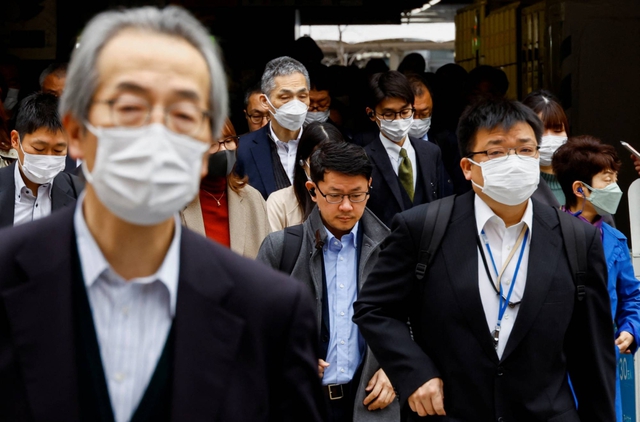
Commuters in Tokyo, Japan. Photo: Reuters
The team of researchers from the Institute of Science Tokyo has discovered that basophils, or immune cells present in very small numbers in the blood, play a crucial role in recovery from acute respiratory distress syndrome, or ARDS, which occurs in severe pneumonia and similar conditions.
The findings, published Thursday in the European Respiratory Journal, may pave the way for new treatments.
ARDS is triggered by severe pneumonia or sepsis and causes significant inflammation in the lungs.
Mechanical ventilation is often required, with the fatality rate reaching 30 to 50 pct.
But no effective drug therapy has been established.
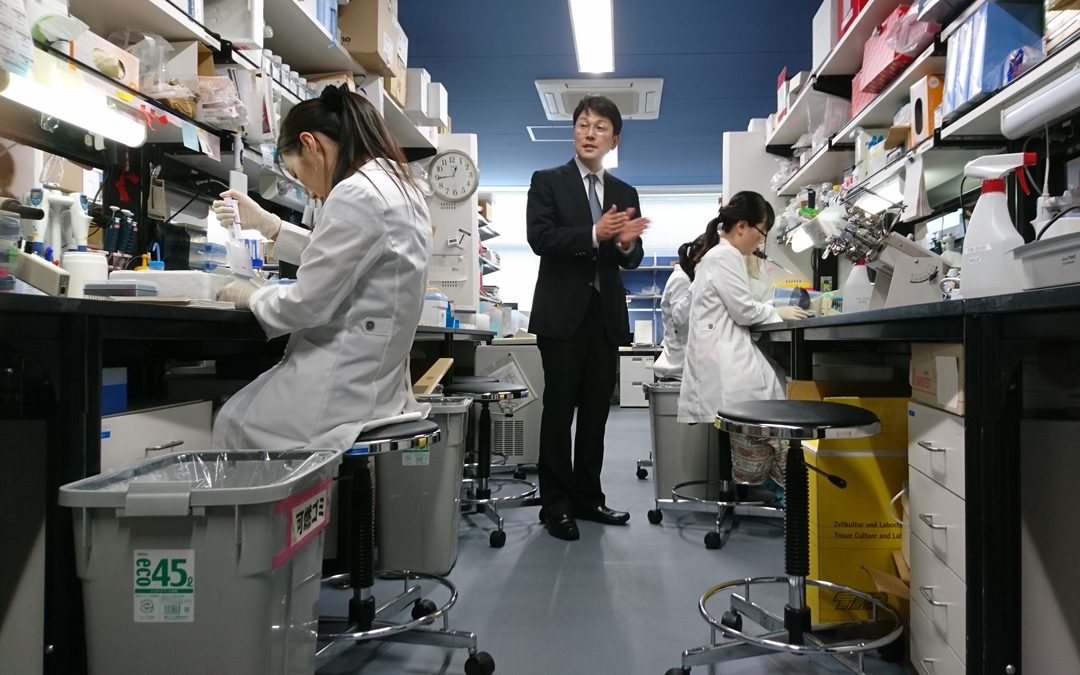
Associate professor Kensuke Miyake and other members of the team observed the recovery process using mice that exhibited ARDS-like symptoms.
They found that basophils gather in the lungs during the recovery phase and secrete a substance called interleukin-4, which alleviates inflammation by suppressing the activity of neutrophils, or immune cells that contribute to inflammation.
Mice in which the functions of basophils and interleukin-4 were blocked showed prolonged lung inflammation and worse symptoms, supporting their essential role in recovery.
The team describes the research result as a "discovery that defies conventional wisdom."
